
Buyer guide · Updated
New build stage inspections in Queensland: what, when and why
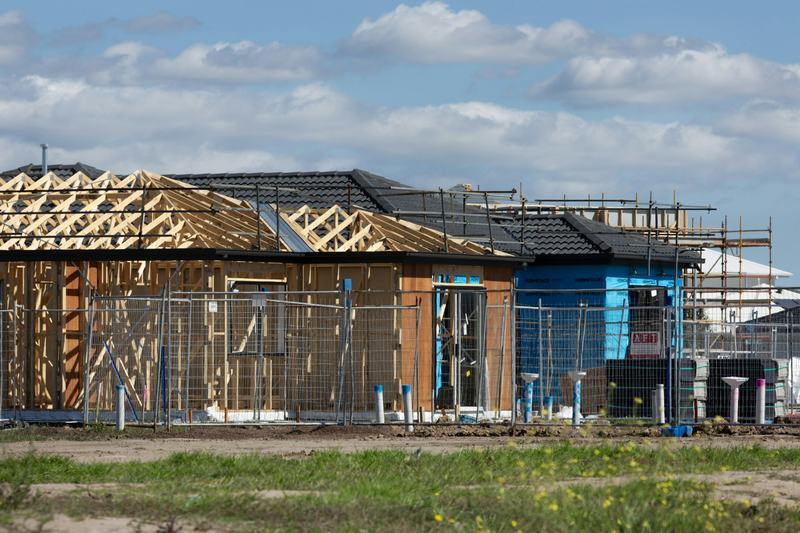
Stage inspections are independent checks of a new home at key points of construction: slab, frame, lock up (enclosed), fixing and practical completion. They catch defects before they are covered by the next stage. If you can only do one, make it the practical completion (handover) inspection, and if you can do two, add the frame stage.
Why an independent inspector?
Your builder's supervisor works for the builder. The private certifier checks certain mandatory items for compliance but is not there to produce a full list of quality defects for you. An independent inspector works only for you and gives you a clear, photographed list to send to the builder.
The stages
- Slab or base: before the pour if possible: set out, reinforcement, plumbing penetrations, termite management, edge rebates.
- Frame: wall and roof framing, bracing, tie downs, lintels, straightness and damaged timber.
- Lock up: roof, windows, external doors, cladding, wraps and flashings.
- Fixing: wet area waterproofing before tiling, linings, cabinetry and doors.
- Practical completion: the full handover defect list.
Check your building contract first
Your contract sets out site access, stage definitions and when payments are due. Organise inspections so they happen before you pay a stage claim, and give your builder notice as the contract requires.
After handover
Keep your reports. Queensland's QBCC Home Warranty Scheme covers certain defects for set periods after completion, and written evidence from each stage helps if something comes up. Check the QBCC website for current time limits and how to lodge a complaint.
General information for Queensland buyers, current at the date above. It is not legal or financial advice. Your conveyancer or solicitor can advise on your contract.