
Buyer guide · Updated
Termites in Brisbane: signs, risks and what to do before you buy
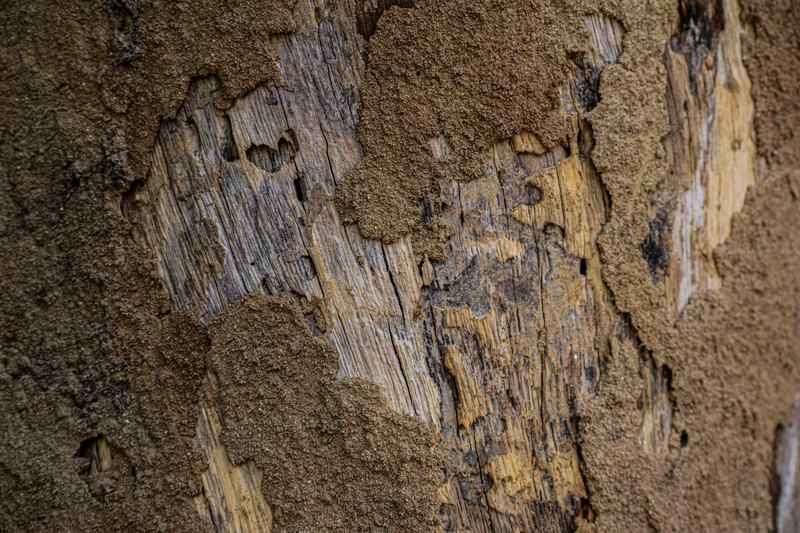
Termites, often called white ants, are a high risk in Brisbane because the warm, humid climate, timber homes and leafy suburbs suit them well. Signs include mud tubes, hollow sounding timber, bubbling paint and sticking doors. Get a timber pest inspection to AS 4349.3 before you buy, and at least every 12 months after.
Why Brisbane homes are at risk
South East Queensland has some of the most destructive subterranean termite species in Australia. They live in colonies in the soil, in trees and stumps, and forage underground and through mud tubes to reach timber. Brisbane's climate, plentiful trees and many timber framed homes make it an easy environment for them. Brick homes on slabs are not immune either, because termites can enter through slab edges, cracks, penetrations and anything built against the walls.
Termite damage is generally not covered by standard home insurance, which is why inspections matter.
Signs of termites
- Mud tubes or leads on stumps, piers, walls, slab edges or inside cupboards.
- Timber that sounds hollow or papery when tapped.
- Bubbling, cracked or rippled paint on walls and skirting.
- Doors and windows that suddenly bind.
- Sagging floors or ceilings.
- Winged termites (alates) swarming on warm, humid evenings in spring and summer.
If you find live termites, do not spray or disturb them. Disturbing them can make treatment harder. Get them inspected first.
What makes a home more likely to be attacked
- Moisture from leaking taps, pipes, air conditioners and poor drainage.
- Garden beds, mulch or soil piled against walls or covering slab edges and weep holes.
- Timber in contact with soil, such as fences, sleepers, stairs and lattice.
- Poor subfloor ventilation.
- Old timber stumps, tree stumps and stored timber near the house.
- Extensions, paths and decks that bridge or hide the termite barrier.
How a timber pest inspection works
The inspector checks every accessible area inside and out, roof void and subfloor, sounding and testing timber, using a moisture meter and thermal camera where useful and termite detection tools if something looks suspicious. The AS 4349.3 report covers termites, borers and wood decay, the conditions that increase risk, and any evidence of past treatment. Read about our termite and timber pest inspection.
What if termites are found before you buy?
Do not panic, but take it seriously. Ask how extensive the damage is, whether the activity is live, and whether there is a termite management system and treatment history. A building inspector can assess the structural damage, and a licensed pest manager can quote treatment. Then decide with your conveyancer whether to negotiate, ask for treatment and repairs, or terminate under the building and pest condition before your deadline.
Protecting your home after you buy
- Book a timber pest inspection at least every 12 months, or every 6 months for higher risk homes.
- Keep garden beds and mulch away from walls and slab edges.
- Fix leaks quickly and keep the subfloor dry and ventilated.
- Do not store timber against or under the house.
- Keep records of any treatment and barrier, and keep the durable notice in the meter box.
General information for Queensland buyers, current at the date above. It is not legal or financial advice. Your conveyancer or solicitor can advise on your contract.